Bale Mountains National Park: Travel Guide and Visitors Reviews (2025)
Introduction
Bale Mountains National Park is widely considered Ethiopia’s most important biodiversity hotspot. Spanning afro-alpine plateaus, giant bamboo forests, volcanic cones, juniper woodlands, and misty cloud forests, it offers one of the most diverse wilderness experiences in Africa. Inscribed as a UNESCO World Heritage Site in 2023, this park is home to globally important wildlife including the Ethiopian wolf, mountain nyala, and Bale monkey — species found nowhere else on Earth.
Travelers consistently describe Bale as one of Ethiopia’s most breathtaking natural destinations. As one visitor wrote, “Amazingly beautiful park with a lot of wildlife… This was by far the best wildlife viewing we have had in Ethiopia.”
Why Bale Mountains National Park Is Special
Covering around 2,000 square kilometers and rising from 1,500m to 4,377m at Mount Tulu Dimtu, Bale protects the largest stretch of afro-alpine habitat in Africa. More than 1,300 plant species grow here, including 23 species found exclusively within the park.
Its landscapes are incredibly varied:
-
High-altitude moorlands
-
Glacial tarns
-
Volcanic peaks
-
Evergreen forests
-
Bamboo thickets
-
Juniper–Hagenia woodlands
-
River valleys and grasslands
This mosaic of habitats supports extraordinary biodiversity and some of the world’s rarest wildlife.
Top Attractions in Bale Mountains National Park
1. The Sanetti Plateau — The World’s Largest Afro-Alpine Moorland

The Sanetti Plateau is the heart of Bale: wide, windswept, and dotted with giant lobelias and icy alpine lakes. It’s one of the best places on earth to see the endangered Ethiopian wolf. Many travelers report encounters here, such as one who shared: “We saw many endemic birds and several wolves… If you’re patient, you can see the wolf.”
What to Expect:
-
4,000m+ elevation
-
Volcanic cones
-
Panoramic road reaching the summit of Tulu Dimtu
-
Outstanding wildlife photography opportunities
2. Ethiopian Wolf — Africa’s Rarest Carnivore
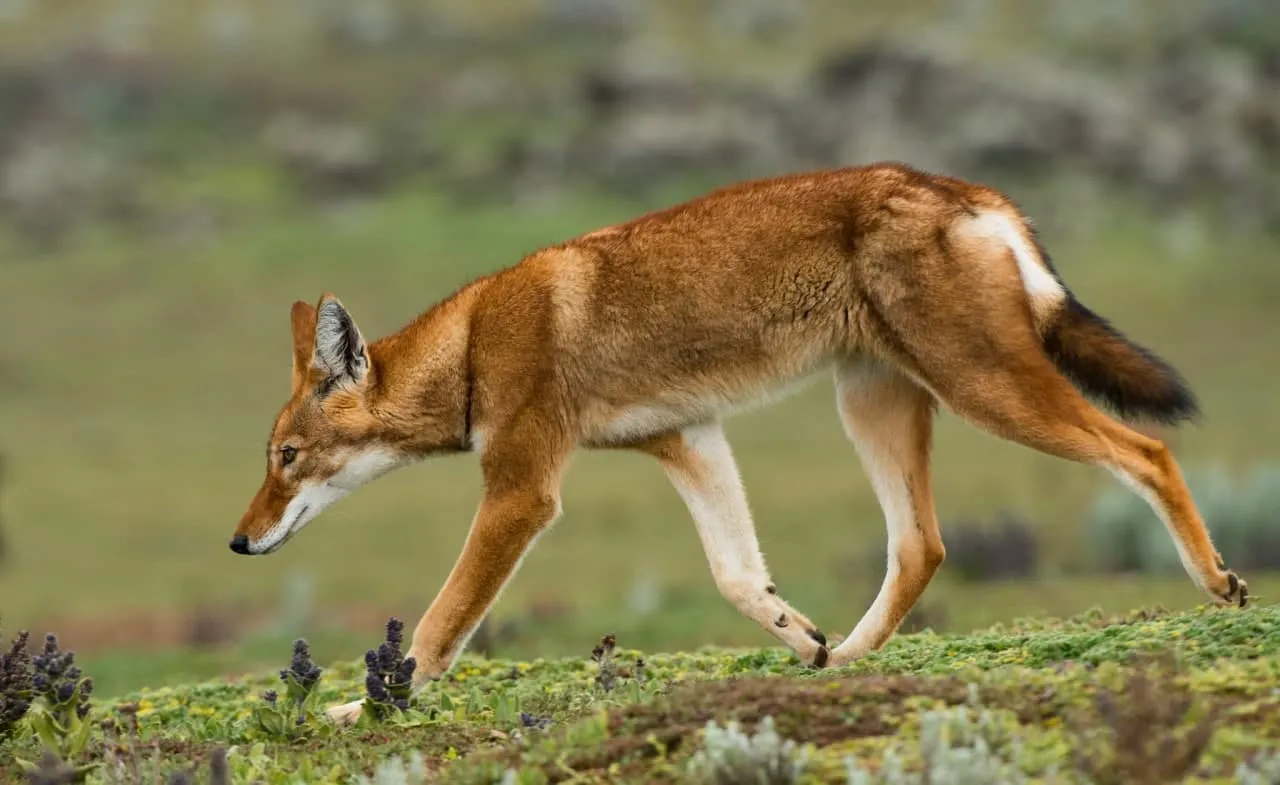
Bale hosts the world’s largest population of this elegant red-and-white canid. Visitors often spot them hunting giant mole-rats across the plateau.
One review simply says it best: “Came to Bale Mountain to see the Ethiopian wolf… did manage to see a few. One was hunting!”
3. Harenna Forest — One of Ethiopia’s Last Great Natural Forests
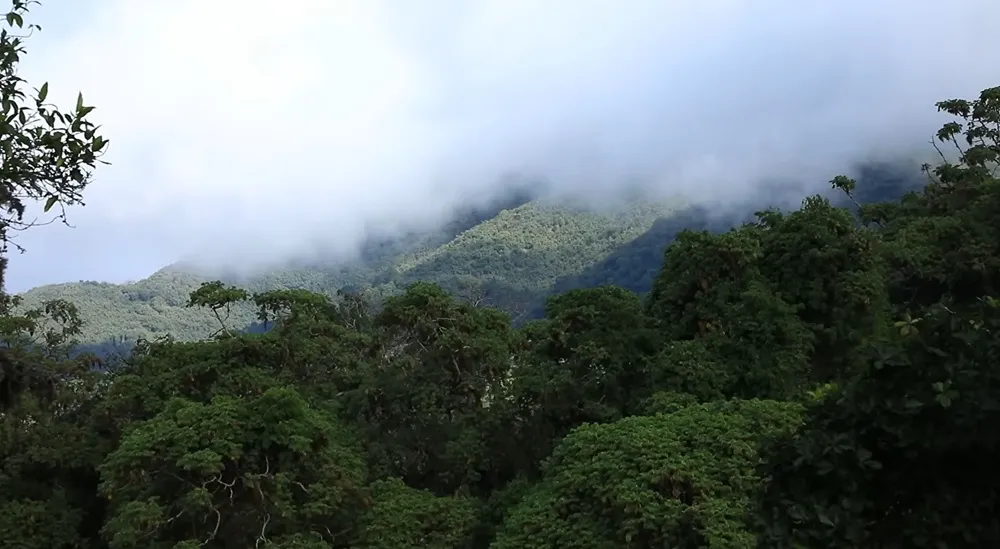
Descending south from Sanetti, the landscape transforms into a lush green world of bamboo, mossy trees, waterfalls, and cloud forest wildlife.
Highlights include:
-
Bale monkey (endemic)
-
Giant forest hog
-
Rare forest birds
-
Waterfall trails
-
Misty, magical scenery
Birdwatchers especially love this area: “The cloud forest is in my opinion the best place for birding.”
4. Dinsho Headquarters — Grasslands, Juniper Forest & Easy Wildlife Walks
This area is known for:
-
Mountain nyala
-
Menelik’s bushbuck
-
Bohor reedbuck
-
Warthogs
-
White-cheeked turaco
-
Abyssinian catbird
It is one of the easiest places to spot wildlife on foot and a perfect starting point for day hikes.
5. Exceptional Birdwatching Opportunities
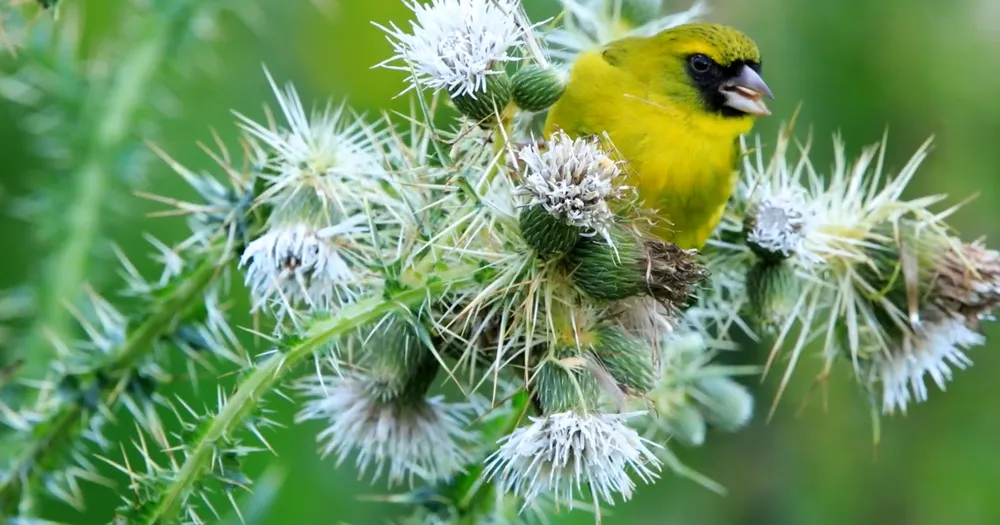
With more than 360 species recorded, Bale is listed among Africa’s top five birding hotspots. Endemic birds such as Rouget’s rail, spot-breasted plover, yellow-fronted parrot, and black-winged lovebird thrive here.
Uniquely, Bale supports the only known sub-Saharan breeding populations of:
-
Golden eagle
-
Ruddy shelduck
-
Red-billed chough
Things to Do in Bale Mountains
✓ Wildlife Viewing - Great for wolves, nyalas, reedbucks, antelopes, and endemic birds. Even short drives offer amazing sightings.
✓ Hiking & Trekking - Ranging from short walks to 11-day treks across alpine plateaus and volcanic landscapes. One reviewer noted their hike was “enjoyable but quite long distances,” especially at altitude.
✓ Mule-Back Expeditions - A popular way to explore higher altitudes and longer routes.
✓ Scenic Drives - The all-weather road across Sanetti and down into Harenna Forest makes exploration accessible.
✓ Horse Riding - Popular in the high plateaus and grasslands.
✓ Trout Fishing - Possible along clear mountain streams and waterfalls on the southern slopes.
Practical Travel Information
Getting There
-
Via Adama & Asela: 370 km from Addis Ababa (fastest route).
-
Via Shashemene: 420 km (ideal if visiting Rift Valley lakes).
-
By Air: Flights available from Addis to Bale Robe Airport.
Getting Around
An all-weather road connects Dinsho → Goba → Robe → Sanetti Plateau → Harenna Forest.
For deeper exploration, trekking guides can be booked at Dinsho headquarters.
What Visitors Say — Balanced Reviews
Bale Mountains receives overwhelmingly positive reviews, especially for scenery and wildlife:
-
“Great place to view nature and wildlife.”
-
“Wonderful park… many ecosystems… well maintained.”
-
“Good place for spotting wildlife… Ethiopian wolf could be found here.”
Some travelers, however, highlight concerns:
-
Pastoralist encroachment:
“I saw cattle even at 4000 meters… afraid this will be the end of the Ethiopian wolf.” -
Issues with HQ staff (an older review from 2022):
“Staff at headquarters have taken to scamming tourists… insisting on an official receipt is recommended.”
These insights help travelers stay informed while setting realistic expectations.
Why You Should Visit Bale Mountains in 2025
If you’re looking for:
-
pristine nature
-
rare wildlife
-
dramatic landscapes
-
cool highland weather
-
authentic outdoor adventure
…Bale Mountains National Park stands out as one of Ethiopia’s most rewarding destinations. Whether you choose a quiet weekend escape or a multi-day alpine trek, this is a place that stays with you long after you return home.