Best Oromo Traditional Foods You Must Try: Authentic Flavors of Ethiopia
Oromo traditional foods are some of the most unique, flavorful, and culturally significant cuisines found in Ethiopia. These dishes have been part of Oromo communities for centuries—served during weddings, holidays, religious celebrations, and important life events. Today, many of these foods are becoming popular across Ethiopia as more people discover their richness and taste.
What makes Oromo foods especially remarkable is their deep cultural meaning. Many dishes symbolize respect, honor, and hospitality. When a special guest arrives, families proudly prepare these foods to show love and appreciation. People also carry these dishes when visiting relatives, attending ceremonies, or traveling—an act that reflects care and cultural pride.
Most Oromo traditional foods use high-quality butter (dhadhaa), which gives them their signature aroma, depth, and unforgettable taste. These dishes also require time, patience, and resources—making them truly high-value, celebratory foods.
Below are some of the most cherished Oromo foods that every traveler or food lover should experience.
1. Anchote (Ancoote) – The Nutritious Root of Western Oromia
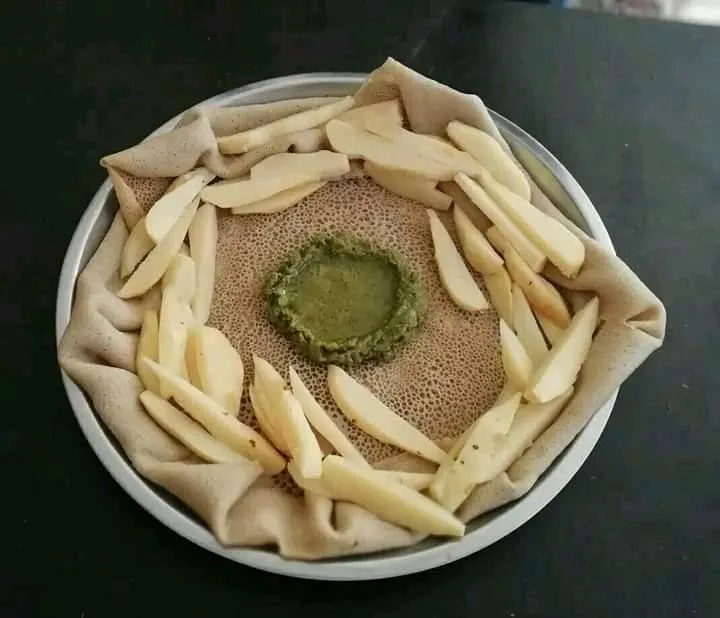
Anchote is one of the most iconic foods among the Oromo people, especially in Wollega, Jimma, and surrounding western regions. Anchote is a starchy root tuber, similar in form to yam or cassava, but unique in taste and texture. It is high in calcium, protein, and digestive fiber, making it one of the region’s most nutritious traditional foods.
How It’s Prepared
The root is boiled until soft, then mashed or chopped and mixed with:
-
Fresh homemade butter
-
Spices
-
Sometimes milk or cheese
In many Oromo communities, Anchote is believed to strengthen bones, support mothers after childbirth, and promote overall health.
2. Chachabsa (Caccabsaa) – The Oromo “Scrambled Flatbread”
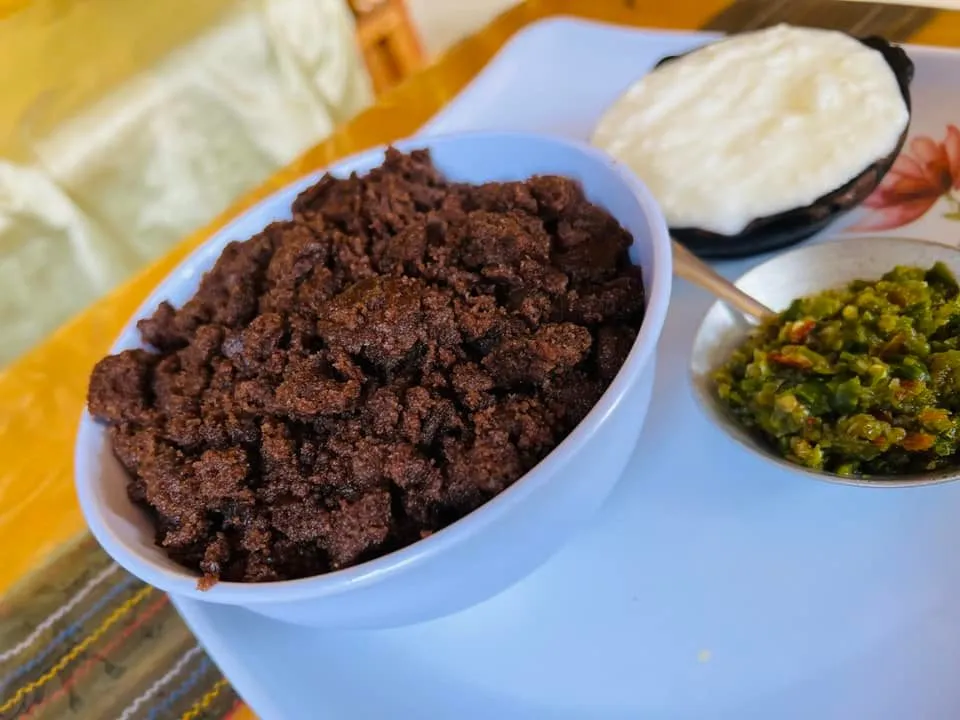
Caccabsaa is a delicious traditional dish originally prepared for weddings, festive events, and respected guests. Today, it is gaining popularity in restaurants and cafés, especially as a satisfying breakfast.
How It’s Made
-
A flatbread is prepared from teff flour (or sometimes wheat).
-
The bread is then cut or shredded into small pieces.
-
It is mixed in a hot pan with spiced butter (dhadhaa) and berbere.
Some families add honey on top, creating a sweet-spicy combination.
It is often compared to a “scrambled pizza,” but its flavor is uniquely Oromo and rich in cultural heritage.
3. Marqaa – The Strength-Giving Porridge of Oromo Culture
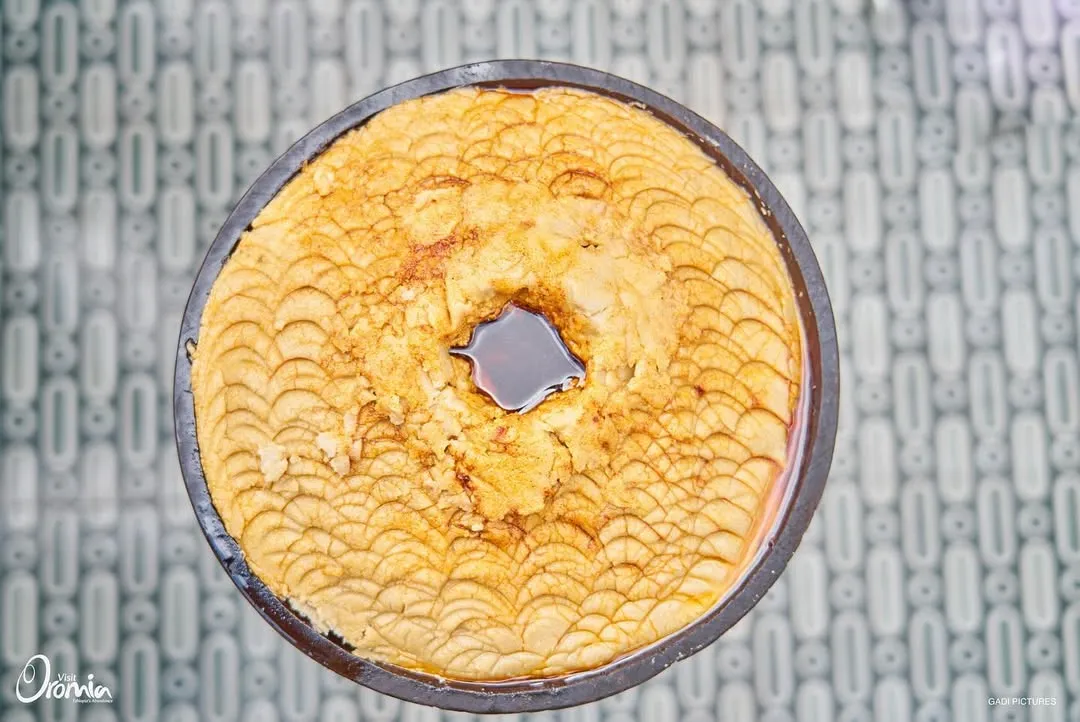
Marqaa is a thick, creamy porridge made from a mixture of highly nutritious ingredients. It is particularly famous as a post-birth recovery food for mothers because it is believed to restore energy and strengthen the body.
Main Ingredients
-
Barley flour (sometimes mixed with wheat or sorghum)
-
High-quality butter
-
Spices such as kosseret, garlic, or ginger
-
Sometimes yogurt or milk
Traditionally, Marqaa is eaten with a spoon while still warm. Its smooth texture and rich buttery taste make it a comforting and energizing dish for anyone—especially during cold seasons or after physical work.
4. Chororsa (Cororsaa) – Layered Delight of Injera, Butter & Cheese
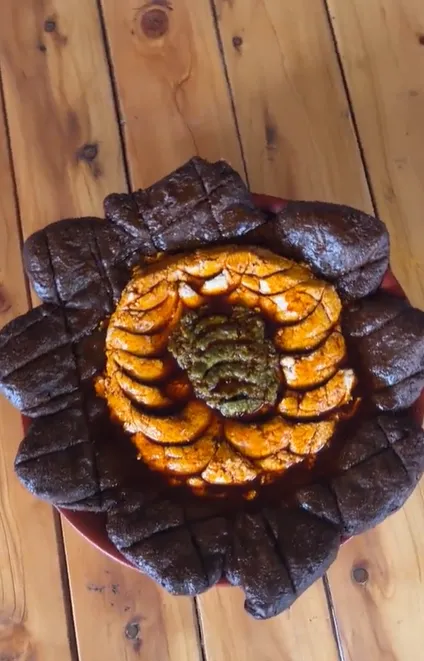
Cororsaa is a favorite dish across West Oromia, known for its special preparation method and irresistible taste. It is a layered food, prepared using:
-
Pieces of injera or thin flatbread
-
Fresh homemade butter
-
Oromo cottage cheese (ayib)
Each layer is soaked with warm, spiced butter, creating a rich, soft, and melt-in-your-mouth texture. Some families add a sprinkle of berbere for extra flavor.
In Oromo culture, Cororsaa is often served to special guests, elders, and during big family gatherings.
5. Chuko (Cuukkoo) – Ethiopia’s Beloved Butter-Infused Barley Snack
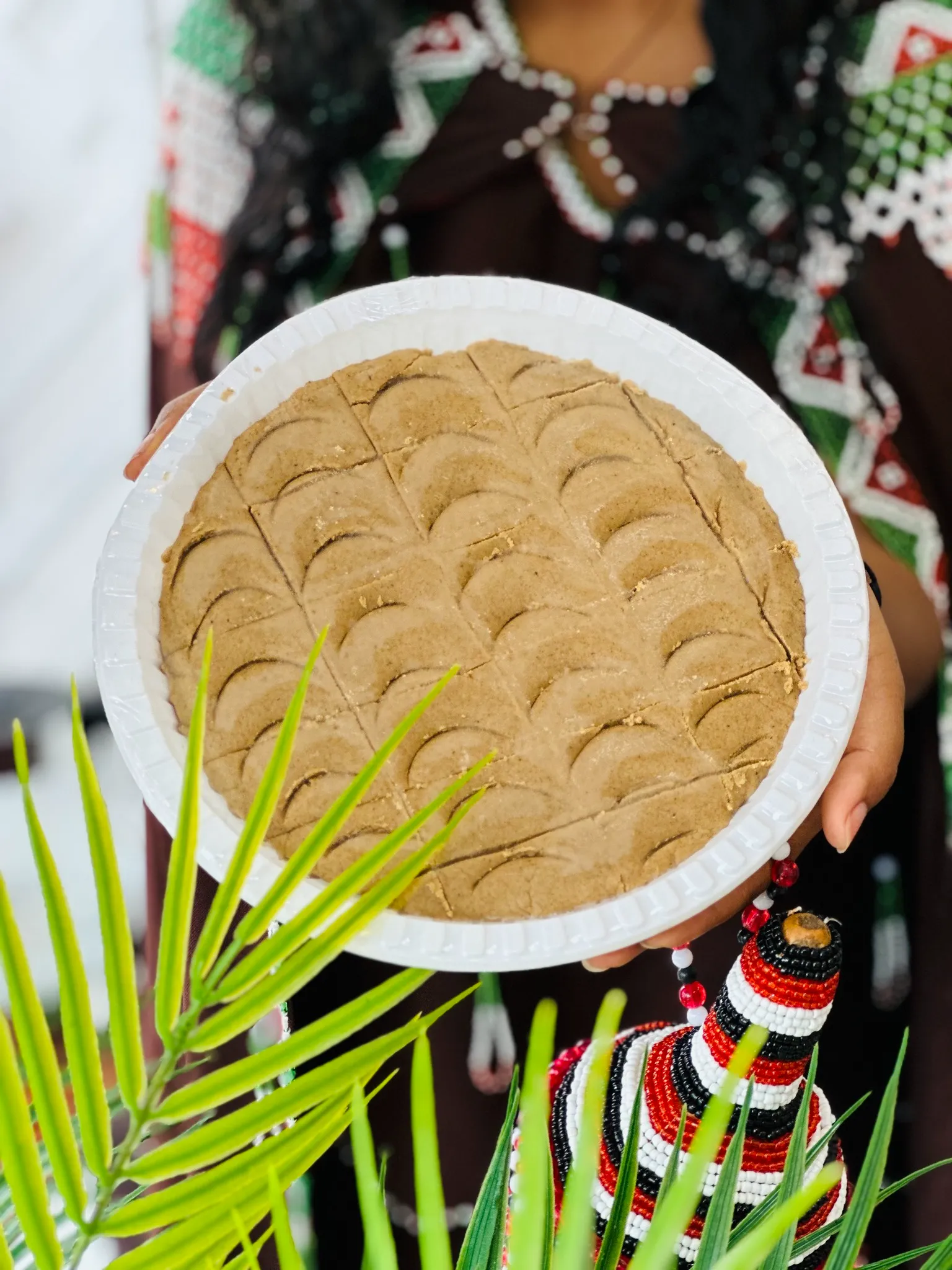
Cuukkoo is one of the most respected and widely enjoyed Oromo foods, not only in Oromia but also throughout Ethiopia today. Many modern cafés and specialty food shops even sell Cuukkoo as a luxury snack because of its popularity.
How It’s Prepared
-
Barley grains are roasted and ground into a fine flour.
-
The flour is mixed with high-quality butter until smooth.
-
Spices such as black cumin, salt, and sometimes honey are added.
The result is a flavorful, energy-packed snack that can be eaten with a spoon or shaped into small balls. It’s perfect for travel, celebrations, or sharing with guests.
Why Oromo Traditional Foods Stand Out
Oromo dishes are more than just meals—they are expressions of identity, culture, and community. These foods:
-
Are deeply tied to family traditions
-
Require skill, patience, and craftsmanship
-
Are served during important life events
-
Symbolize respect and unity
-
Use natural, local, and nutritious ingredients
From the buttery aroma of Cororsaa to the health-boosting strength of Anchote, each dish offers a memorable culinary experience.
Finally,
If you're exploring Ethiopian cuisine or traveling through Oromia, these traditional foods should be at the top of your list. Their flavors, cultural significance, and time-honored preparation methods make them some of Ethiopia’s most cherished dishes.
Whether you enjoy Anchote’s nutritional richness or Cuukkoo’s buttery goodness, Oromo traditional foods give you a taste of Ethiopia’s heart and heritage.