Buna Time: Discover the Soul of Ethiopia Through Its Coffee Ceremony
In Ethiopia, coffee isn’t just a beverage—it’s a deeply rooted cultural ritual that brings families, friends, and communities together. Whether you're visiting a rural village or exploring the buzzing streets of Addis Ababa, one thing remains constant: coffee in Ethiopia is about connection, not just caffeine.
The Heart of Ethiopian Homes: The Coffee Ceremony
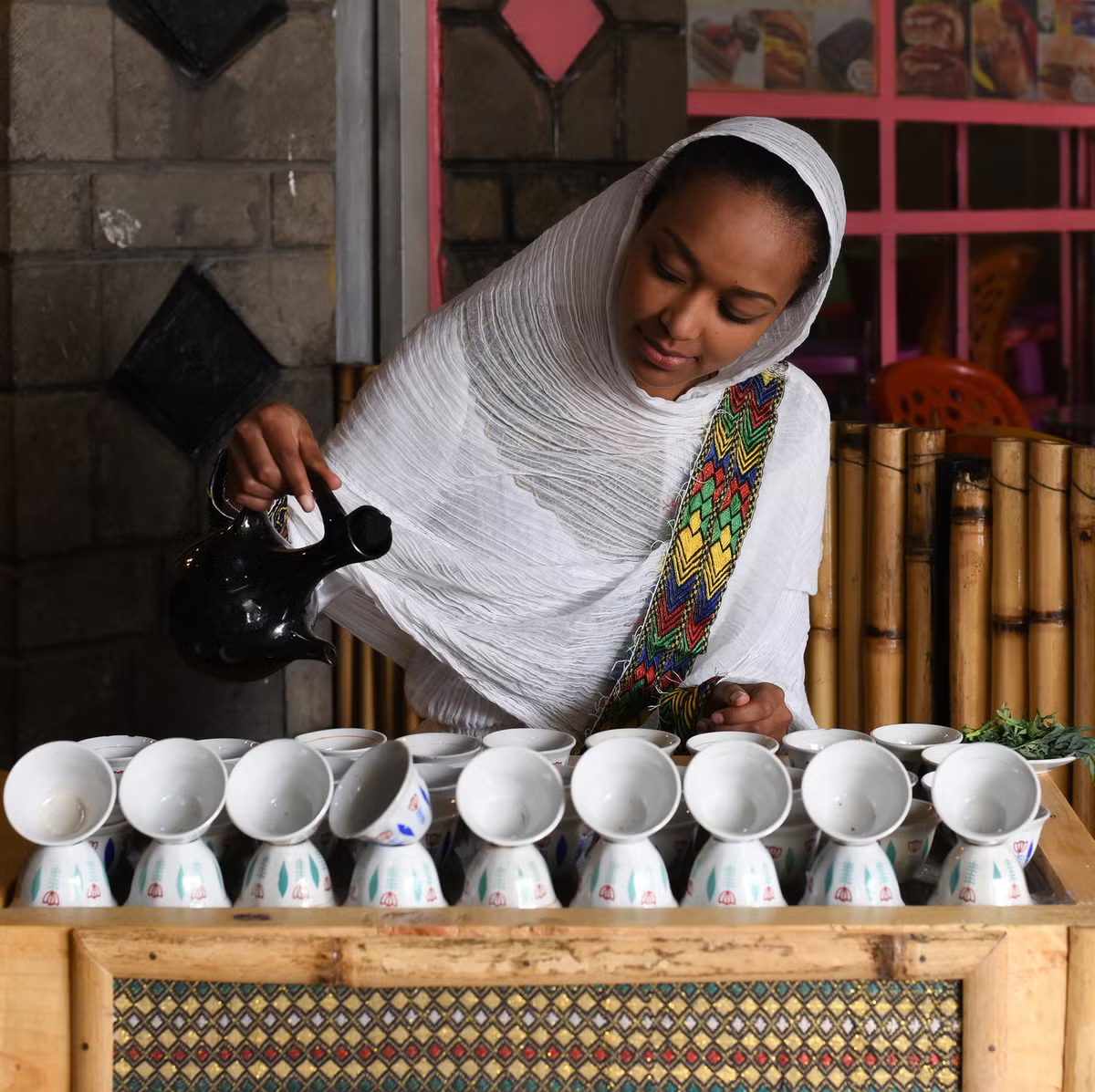
In most Ethiopian households, especially in rural and semi-urban areas, coffee is traditionally prepared in the evenings after dinner or during special moments—Sunday lunches, annual religious festivals, or family gatherings. During holidays like Timket, Fasika, or Meskel, the aroma of freshly roasted beans fills the air as loved ones gather around to share stories, laughter, and warmth.
The coffee is brewed in a beautiful black clay pot called a Jebena, a staple in every traditional Ethiopian kitchen. The ceremony is usually led by the women of the household, emphasizing the role they play in nurturing family bonds through hospitality.
Abol, Tona, and Bereka: More Than Just Rounds
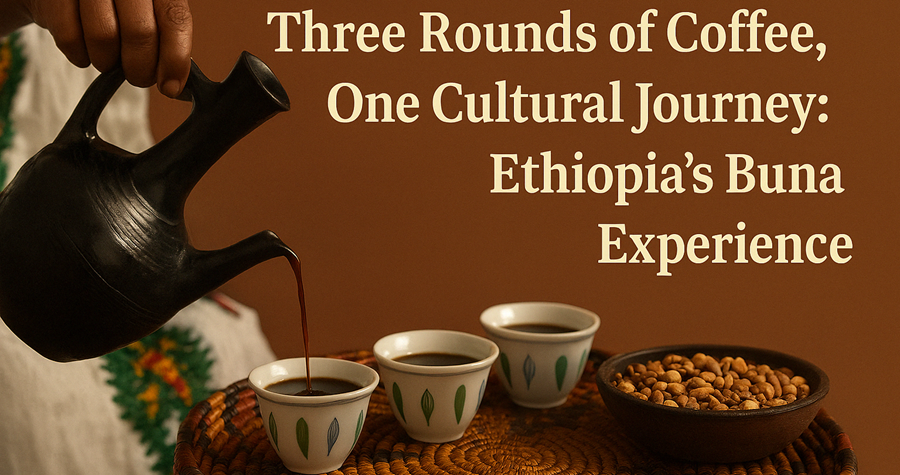
Ethiopian coffee is served in three rounds, each with its own name and meaning:
- Abol – the first and strongest cup, symbolizing the beginning and full flavor
- Tona – the second round, slightly milder
- Bereka – the final, lightest round, meaning “blessing” in Amharic
While all three rounds are still common in many parts of the country, modern routines have led some to enjoy just the first cup. Still, the tradition continues to thrive where time and community allow.
Ye Buna Kurs: Coffee with a Crunch
No Ethiopian coffee session is complete without a side snack known as Ye Buna Kurs. A popular choice is Kolo—a roasted barley or corn snack that perfectly complements the bold, earthy notes of Ethiopian coffee. It’s more than just a treat—it’s part of the full sensory experience of the ceremony.
The Modern Twist: Cafés, Streets, and One-Cup Culture
Today, especially in urban areas and among young professionals, the coffee culture is evolving. Many people now enjoy a quick cup of coffee in cafes or at street stalls after lunch, making it a midday ritual. It’s a convenient way to relax, socialize, or re-energize before heading back to work. So if you're traveling in Ethiopia, don’t miss this local habit—grab a post-lunch buna and join in.
Final Sip:
Whether shared at home by candlelight or sipped on a sunny street corner, coffee in Ethiopia is more than a drink—it's a daily act of love, warmth, and tradition. To truly understand Ethiopian culture, you have to taste it one cup at a time.