Top 5 Best Ethiopian Foods You Should Try
Ethiopia isn't just a land of ancient history and breathtaking landscapes—it's also a hidden gem when it comes to food. Ethiopian cuisine is rich in flavor, culture, and tradition. Whether you're planning a trip or just exploring global tastes, here are the top 5 Ethiopian foods you should definitely try.
1. Doro Wot – Ethiopia’s Festive Chicken Stew
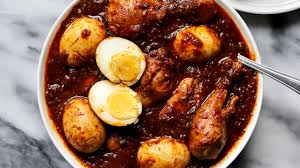
Doro Wot is the crown jewel of Ethiopian cuisine. This slow-cooked, spicy chicken stew is traditionally reserved for holidays and special occasions such as Ethiopian New Year (Enkutatash), Christmas (Genna), and Easter (Fasika).
- Prepared using male chicken meticulously cleaned and cut into 12 precise parts.
- Requires several kilograms of onions, slow-cooked until caramelized.
- Infused with Berbere (Ethiopian spice blend) and Nitir Kibe (spiced clarified butter).
- Finished with boiled eggs during the final stage.
- Takes over 6 hours to cook, often after a day-long preparation process.
Despite its complexity, the end result is incredibly rich and flavorful—a must-try for any food lover.
2. Kitfo – Spiced Raw Beef Delight
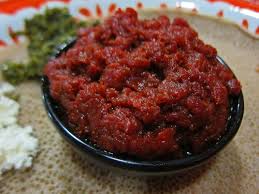
Kitfo is a delicacy made from raw ground beef, mixed with clarified butter and seasoned with Mitmita (a potent spice blend).
- Traditionally served raw (tire), but can be lightly cooked (leb leb) upon request.
- Often accompanied by Kocho (a fermented flatbread) or Injera.
- A cultural staple among the Gurage people in southern Ethiopia.
- Found in both upscale hotels and traditional households during celebrations.
If you're an adventurous eater, Kitfo offers a bold, buttery, and deeply satisfying experience.
3. Shiro – The Everyday Favorite
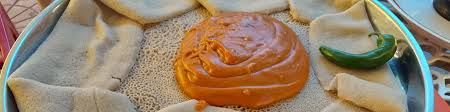
Shiro is Ethiopia’s most widely eaten dish. Made from powdered chickpeas or broad beans, it’s both affordable and nutrient-rich.
- Comes in two varieties: Red Shiro (with Berbere) and Yellow Shiro (with turmeric).
- Served bubbling hot in a clay pot and eaten with Injera.
- Vegetarian-friendly and ideal for fasting seasons or plant-based diets.
- Very easy on the stomach and perfect for first-timers trying Ethiopian food.
You'll find Shiro in nearly every corner of Ethiopia—delicious, simple, and comforting.
4. Tire Siga – Traditional Raw Meat Experience
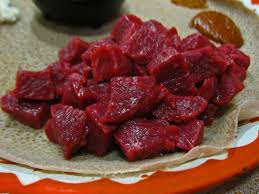
Tire Siga, meaning “raw meat” in Amharic, is a unique Ethiopian dining experience. Eaten mostly by men and elders, it's considered a symbol of trust, community, and strength.
- Served fresh with Mitmita or Data (traditional spicy dips).
- Eaten by slicing the meat with a small knife and dipping directly into the spice.
- Best enjoyed during lunch hours at known butcher houses.
- Often accompanied by a glass of Areki (local alcohol) to aid digestion.
This dish is not for the faint-hearted, but it’s an authentic and memorable cultural experience.
5. Chechebsa – A Buttered Breakfast Treat

Chechebsa is a breakfast favorite among the Oromo people. It’s made by tearing up Kita (a type of homemade flatbread) and sautéing it with Nitir Kibe (spiced butter) and Berbere.
- Can be sweetened with honey, especially during fasting seasons.
- Served with a fork or eaten traditionally with bare hands.
- Offers a soft, spicy, and buttery texture that’s satisfying and energizing.
If you're looking for a light but flavorful start to your day, Chechebsa is the way to go.
Final Thoughts
Ethiopian food is rich in tradition, bold in flavor, and full of cultural stories. Whether you’re eating with your hands or enjoying a coffee ceremony after a meal, each dish offers a deeper connection to Ethiopia’s vibrant heritage.
Ready to take your taste buds on an Ethiopian adventure? Make sure you try these top 5 traditional foods!